

Why 81% of Enterprise AI Initiatives Run Into the Same Wall

Updated on
Published on
By

Table of Content
About the author

AI is acting as a catalyst of change in the healthcare industry by providing cutting-edge solutions to complex problems. Among the advantages of AI in healthcare, one of the most crucial is that it leverages machine learning, Natural Language Processing and data analytics. This gives a whole new dimension to care delivery, be it diagnostics, personalized treatment or even administrative processes. These advancements are supported by robust AI infrastructure solutions, ensuring that healthcare systems have the necessary computational power and scalability to implement AI-driven solutions effectively.
The modern healthcare industry is up against some grave challenges. Some of which have never been faced before. Problems such as increased demand due to ageing populations, chronic diseases and resource limitations have never been tackled before.
As a result of these challenges, inefficiencies such as higher operational costs, longer waiting times and inconsistent quality have surfaced. To add to the troubles, complex medical data makes the diagnosis and treatment even more challenging.
In this struggle to provide quality care at economic prices, the advantages of AI in healthcare are proving to be lifesavers of the actual lifesavers. The advantages of artificial intelligence in healthcare are not just limited to diagnosis and admin support. AI is now transcending boundaries by enhancing drug discovery, surgical robots and even mental health monitoring.
This effectively means that AI is now critical in every healthcare process. It ensures precision, pace and patient outcomes. The future of healthcare is becoming more and more synced with the development and integration of AI systems.
Summary
Advantages of AI in Healthcare: A Comprehensive Breakdown

Of all the other advantages of AI in healthcare, the most notable and popular is its impact on diagnostics. Imaging tools that are powered by AI are redefining pathology and radiology. They can easily identify patterns and flag abnormalities in medical images that might miss the human eye.
Cancerous tumours, for example, can be detected by AI algorithms in mammograms with much more accuracy and speed as compared to traditional methods. This brings down the rate of false positives significantly and leads to timely diagnosis.
The healthcare industry is not new to making split-second decisions. These decisions are often about a person’s life. Predictive analysis thus, helps professionals in making better decisions. AI systems analyse patient data, medical history and real-time health indicators to offer actionable suggestions.
Predictive models can also be a big advantage of AI in healthcare as they improve risk stratification which in turn helps healthcare professionals in optimum utilization of resources.
Timely detection and intervention in healthcare could be the difference between complex surgeries and simplistic predictive procedures. Thus, AI tools synergized with Electronic Health Records can highlight anomalies based on symptoms, lab results and historical data. This allows the professionals to act in time and reduces the risk of complications.
The capacity of AI models to keep learning on the go allows constant enhancements in accuracy and reliability.
AI-driven medicinal treatment plans cater to patients taking into account various factors such as genetic, environmental and lifestyle factors. This advantage of AI in healthcare empowers professionals to recommend precise therapies based on the patient’s specific data, which reduces the trial and error approach.
It can be crucial in treatments such as oncology where the best chemotherapy routine can be decided based on the patient’s data and reduce the side effects drastically.
The advantages of AI in healthcare have permeated as far as pharmacogenomics. AI tools are empowered to predict drug responses based on genetic information. This allows for the creation of customized medication plans and ensures that patients receive the best treatment and face minimal side effects.
In complex treatments such as cancer or other rare genetic disorders, the integration of genetic data helps limit medication-related complications.
AI algorithms monitor patient data and customize the treatment routines dynamically. This is particularly useful in diseases such as diabetes, asthma and heart disease. The real-time approach improves the results of the treatment and also brings down the cost by limiting emergency situations.
Such customized approaches augment the long-term management of chronic illnesses.
AI is allowing healthcare professionals to focus on their core tasks and taking away administrative peripheral duties from them. Patient scheduling, billing, coding, etc, are all now carried out by AI systems that not only reduce human effort but also minimize the instances of negligence or errors.
Furthermore, it allows institutions to allocate their resources towards more effective tasks and improve their services.
Drug discovery is considered one of the most tedious and expensive processes in healthcare. AI, however, speeds this up by assessing large data and identifying suitable drug candidates faster. Machine learning tools are equipped to predict how various compounds would react with biological systems, thus curbing the development cycle.
This particular advantage of AI in healthcare can be felt most during a time of a public health emergency or epidemic where rapid drug development is most crucial.
One of the proactive advantages of AI in healthcare is optimizing operations. AI systems project admissions, resource allocations and rearrange cross-departmental communication systems.
With the capability to assess historical data and combine it with current trends, AI anticipates the requirements of the patients and optimizes the staffing levels accordingly. This ensures that the hospitals operate at 100% efficiency even during peak times and patient wait times, care quality and overall satisfaction are improved.
AI chatbots in the healthcare sector are redefining patient care by making themselves available 24/7 for general enquiries, appointments medication reminders etc. The use of Natural Language Processing in these AI systems enables humanised interactions with the patients, leading to better engagement.
Virtual assistants for the professionals allow them to keep themselves focused on the strategic tasks and alleviate them from the routine procedures. All of this combined, provides an enhanced customer experience.
IoT (Internet of Things) and wearable devices integrated with AI offer seamless and constant patient monitoring.
Smart gadgets such as smartwatches, Fitbit and heart monitors gather data on a real-time basis, and the AI tools analyse it for any anomalies. For instance, the AI algorithm can send an alert to the patient as well as caregivers in case of a heart attack. This can be crucial in saving lives.
AI systems have proven to benefit patients suffering from various chronic conditions such as diabetes, hypertension, asthma and others by providing real-time health alerts.
Through continuous analysis of the patient reports, these systems can detect any irregularities from the normal parameters of each patient’s condition and issue warnings accordingly. This proactive approach makes room for the prevention of emergencies, reducing the number of hospitalizations and even long-term disease management of these chronic conditions. This immediate advantage of AI in healthcare has benefitted the medical community and patients in managing their health in better ways and by providing improved treatment plans.
The human room for error has always been an inevitable aspect of healthcare that potentially endangers patient lives. AI has stepped in today in the healthcare industry with its diagnostic abilities to minimize treatment errors. It has algorithms that can analyse patient data with high precision to identify abnormalities and irregularities that are probably missed by human practitioners.
Doctors are using this advantage of AI in healthcare, in their practice to reduce human errors, to ensure the safety of the patient and to prevent malpractice claims. Additionally, this lowers the cost of healthcare for both the doctor and the patient; and overall improves the healthcare system’s efficiency.
AI-driven automation reduces operational costs by streamlining administrative tasks, optimizing resource allocation, and enhancing supply chain management. Hospitals and clinics can cut down on staffing expenses and reduce waste by automating processes like inventory management, billing, and claims processing. This cost efficiency allows healthcare providers to invest more in patient care and advanced medical technologies, improving service delivery.
Hospitals have to budget a lot of their expenses in maintaining administrative tasks like managing inventories, billings, claim processing etc.
AI steps in here by streamlining and automating these tasks that are usually performed by human resources. This automation of processes not only ensures perfection in service deliveries but also reduces operational costs and expenses by cutting down on staffing.
Instead, healthcare industries can direct those resources into investing in the betterment of patient care and advanced medical technologies.
The maintenance of critical medical equipment is essential in every healthcare industry. Unexpected breakdown of this equipment is a common cause of downtime and disruptive care particularly during emergencies.
AI technology enables the maintenance of such equipment through its power to analyse its patterns and performance data, it can therefore predict when it needs servicing to ultimately ensure its continuous availability.
AI is advancing in medical research by developing tools and algorithms that can detect early signs of diseases such as Alzheimer’s, diabetes, and heart diseases. It uses advanced screening to analyse medical images, genetic information and data, along with the patient’s medical history to detect these conditions well before time.
This modern intervention has proven to improve patient prognosis as well as saving high costs that are associated with treatments in later stages of the disease.
Have you ever wondered how your smartwatch or an app on your mobile provides personalized recommendations to promote your health?
The AI systems on such devices and programs are created to analyse the lifestyle data of each individual based on their exercise routines, dietary habits and stress management techniques. This data is then processed to provide suggestions that motivate the individual to adopt healthier habits and reduce the risks of chronic diseases.
One of the most commercially popular advantages of AI in healthcare is that wearable devices process ‘real-time’ data based on records of the body directly.
With their ability to continuously measure heart rate, blood pressure, stress levels and sleep patterns as long as the device is in proximity to the human body, it can identify health risks and alert the users before the symptoms become severe.
With the motto of “prevention is better than cure”, these AI functions enable patients and healthcare providers to offer preventive care.
The capability of AI tools to process large data acts as a huge boost in medical research. Machine Learning algorithms study patterns from clinical trials, patient records and other scientific studies that would be very difficult for humans to study.
This results in groundbreaking discoveries such as new treatments, improved diagnostics and enhanced clinical practices.
AI models allow faster clinical trials by leveraging predictive models to recognize suitable candidates, enhance trial protocols and evaluate patient responses.
The time and costs generally associated with trial methods are drastically shrunk; which is one of the major advantages of AI in healthcare, as it unlocks the potential for faster development of drugs and therapies. AI-powered trials lead to highly precise results and also optimize patient safety by recognizing ill effects early on.
One of the most recent and widely seen advantages of AI in healthcare was during the battle against COVID-19. AI tools can analyse genetic sequences, pathogen behaviour and immune responses, which drastically speeds up the development time.
This potential of AI in healthcare is today and will be crucial in the future to tackle any global health crises ensuring on-time vaccines and public health preparedness.
AI in healthcare is not just a technological upgrade—it’s a game-changer. From diagnosing diseases earlier to personalizing treatment plans, AI is making healthcare smarter, faster, and more effective. It helps doctors make better decisions, reduces inefficiencies, and enhances patient outcomes.
As AI continues to evolve, we can expect even greater advancements in drug discovery, real-time health monitoring, and hospital management. The goal is simple: better healthcare for all. The faster we integrate AI into medical systems, the closer we get to a future where precision, efficiency, and accessibility define global healthcare.
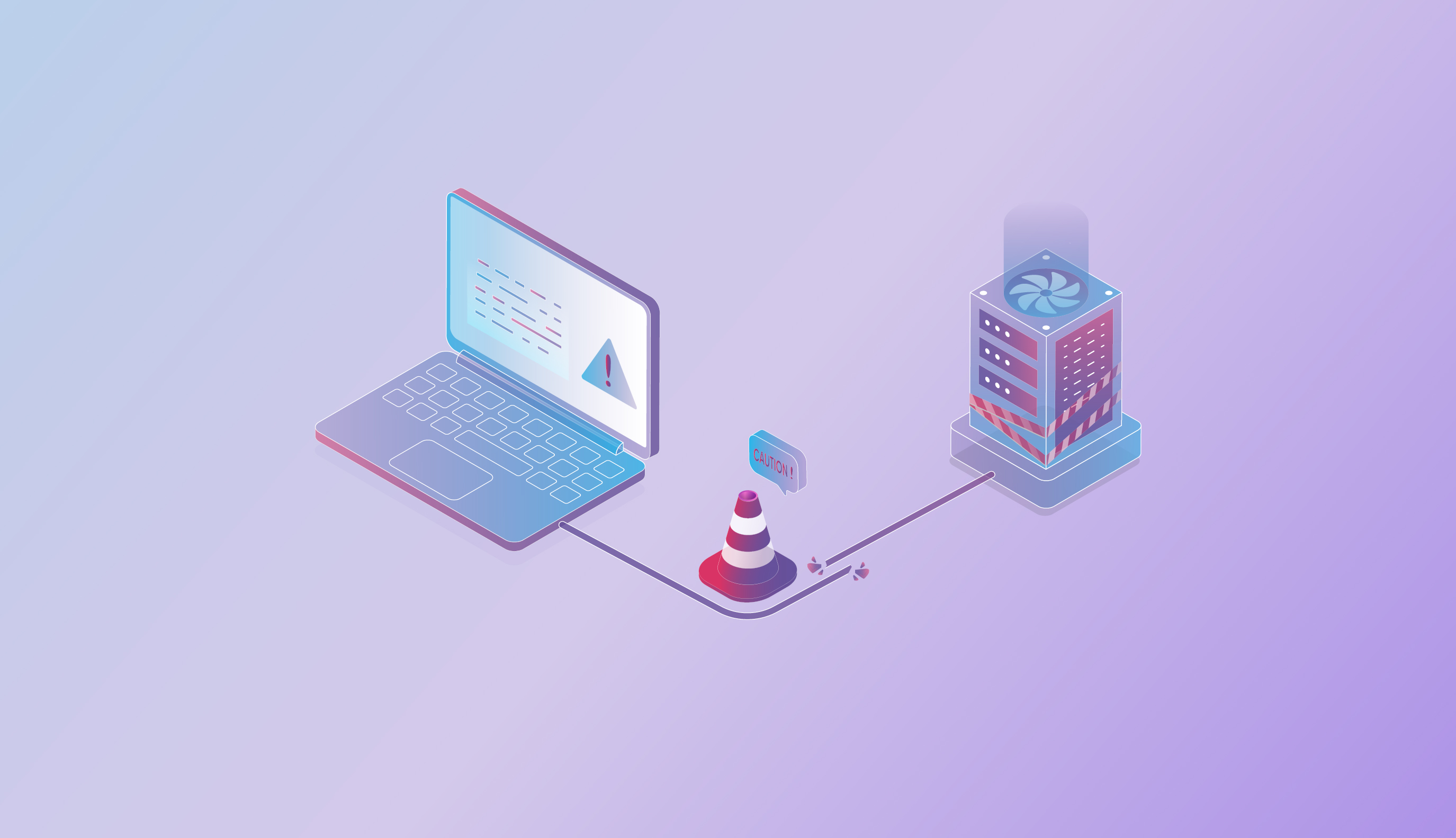
Only 23% of engineering hours inside enterprise AI initiatives actually go toward building products. The rest gets consumed by data infrastructure problems that should have been solved before the first use case was built. Here’s the full picture – and the way out.
The content emphasizes the importance of identifying and prioritizing AI use cases that align with business goals. Successful AI projects depend on balancing value, data readiness, and feasibility, ensuring impactful implementations and scalable growth across organizations.


 Back to blog home