B300 in Production: What 18 Benchmark Runs Actually Showed

Updated on
Published on
By

Table of Content
About the author

Inference endpoints are an important part of putting Machine Learning (ML) models to use in the real world. At their core, these endpoints are special interfaces, usually APIs or URLs, that let apps send data to a pre-trained AI model and receive predictions or outputs back immediately. Inference endpoints enable this intelligence to be applied to new inputs in real time, unlike the training phase of AI development, which occurs offline and involves learning from large datasets.
Inference endpoints are designed to make AI infrastructure easier to understand by providing managed, scalable, and secure access points for businesses to use AI models in their operations without having to worry about backend compute, scaling, or security management. They connect AI research and production systems, making it easy to add AI-powered features to a wide range of products and services.
This shift from experimental AI models to fully hosted inference endpoints has sped up the adoption of AI technologies across many fields, including healthcare and customer service. AI models are becoming more complex and require specialized hardware such as GPUs or TPUs. Using inference endpoints to deploy them effectively ensures they work well and respond quickly to users.
Dedicated servers or cloud instances with hardware acceleration running optimized ML frameworks like TensorFlow and PyTorch.
They make sure that incoming requests are sent to the right compute instances in a way that is efficient, while maintaining redundancy and availability.
Automatically change the amount of computing power available based on the amount of traffic in real time to keep performance up while lowering operational costs.
To protect data and control access, they should have API key authentication, OAuth, encryption, and compliance monitoring.
Keeping track of performance metrics like latency, error rates, throughput, and usage analytics to keep things running smoothly and support troubleshooting.
Inference endpoints offer clear benefits that are key to the success of AI applications worldwide.
Here are the main reasons why they are important:
Inference endpoints dynamically manage resources to handle varying volumes of prediction requests, ensuring low latency that is essential to real-time applications such as voice assistants, recommendation engines, and fraud detection systems.
Endpoints handle cloud infrastructure management, freeing engineering teams from having to set up compute clusters or microservices so they can focus on improving models and developing products.
Modern inference platforms include audit logging, authentication, and authorization mechanisms, which meet the security and compliance needs of businesses.
Some endpoints support real-time, low-latency queries, while others can handle batch processing. Some systems even let you A/B test different model versions to find the best output quality.
Auto-scaling features help keep cloud costs down by making sure resources are used efficiently, scaling down when demand is low and up when demand is high.
They use inference endpoints to figure out what users are asking and give them answers that sound like they came from a real person right away. This makes support operations quicker yet humane.
AI models use inference endpoints for medical images like X-rays and MRIs. This helps radiologists find diseases faster and more accurately.
Recommendation systems use inference endpoints to observe behavior and preferences in real time and then suggest products that are right for users. This boosts sales and interest.
Inference endpoints help banks detect suspicious transactions in real time, enabling them to quickly block or flag them to stop losses.
Inference endpoints process streams of sensor data for self-driving cars and robots. This lets them detect objects, make navigation decisions, and add safety features in real time.
Social media sites use inference endpoints to automatically flag content that is inappropriate or harmful, ensuring community standards are met.
Launch GPU-powered inference endpoints for open-source models in minutes.

Amazon SageMaker’s inference endpoint services let businesses deploy machine learning models at scale with built-in monitoring and automatic scaling.
Hugging Face has hosted inference endpoints that let developers use cutting-edge NLP models with just a few API calls, which makes development easier.
Neysa Velocis, a cutting-edge AI cloud platform that specializes in providing inference endpoints that are optimized for high-performance AI workloads. It helps businesses host complex models on GPU-powered infrastructure that is easy to scale and secure.
Making it easier for businesses of all sizes, from startups to large corporations, to use AI, even if they don’t have a lot of experience with it in-house.
Real-time AI predictions that work seamlessly improve product UX in all areas, such as personalized content delivery, interactive AI agents, and smart automation.
Inference endpoints make it easier to deploy models, enabling data scientists and developers to quickly improve them based on live performance feedback. This improves AI accuracy and specialization.
Elastic compute resource management keeps operational costs in line with actual use, making AI in business models more sustainable.
A full AI deployment ecosystem includes data pipelines, AI cloud platforms, analytics tools, and monitoring systems.
Platforms like Neysa Velocis take these benefits to the next level by offering AI cloud solutions that are made just for inference workloads, combining performance, security, and orchestration. This all-inclusive approach gives businesses the tools they need to offer cutting-edge AI solutions on a large scale, which gives them an edge over their competitors.
Future Trends and Directions:
The AI inference landscape is changing quickly in 2025 due to the need for scalable, efficient, and easy-to-understand AI services.
Sustainability is becoming increasingly important, and inference endpoints are using energy-efficient hardware and optimization methods to reduce their environmental impact. Inference on devices and at the edge reduces data transfer and power consumption while ensuring the device remains responsive.
Inference endpoints are becoming more self-sufficient by adding real-time self-optimization and closed-loop feedback systems, making them more reliable and better at what they do. To support ethical AI use and regulatory compliance, explainability features will be built in to make predictions clear and verifiable.
Edge and hybrid deployments will grow, bringing inference closer to data sources and users to reduce latency and comply with data sovereignty rules. Multimodal inference, which combines text, image, and audio processing, will enable the creation of richer applications such as immersive assistants and content generation.
Inference-as-a-Service (IaaS) platforms, such as Neysa Velocis, an advanced cloud solution, will continue making it easier for businesses of all sizes to use AI on a large scale by giving them access to high-performance, secure inference.
In short, inference endpoints will become greener, smarter, more spread out, and easier to understand. This will lead to the next wave of AI innovation, which will be more efficient and accountable.
An inference endpoint is a stable API interface or URL that hosts a trained AI/ML model. This lets apps send input data and get real-time predictions or outputs.
They enable chatbots to help customers, support healthcare imaging diagnostics, power recommendation engines, detect fraud, enable self-driving cars, and support content moderation by providing instant AI-driven decisions and insights.
Standard or online endpoints for making predictions in real time with low latency Batch endpoints for processing large amounts of data at once without waiting for them to finish.
They use autoscaling mechanisms to automatically add or take away compute resources based on how many requests they get. This keeps speed and availability the same.
To keep sensitive data and the model’s integrity safe, best practices include API authentication, encryption, access control, activity logging, and adherence to industry rules.
Training endpoints are used to make and change models based on past data. Inference endpoints use those trained models to make predictions about new, previously unseen inputs in production.
Deploy, run, and scale on infrastructure designed to keep your AI moving forward.
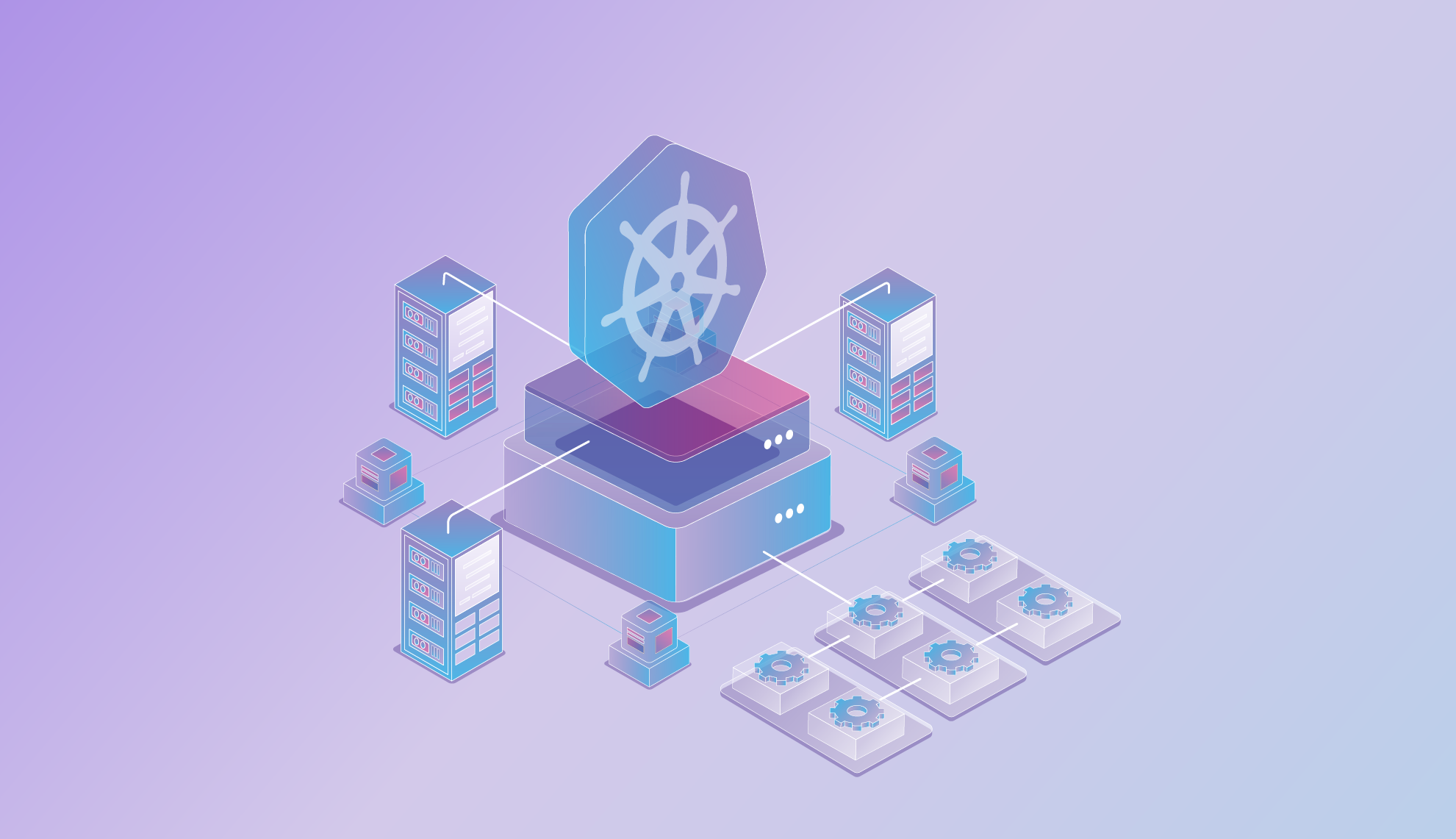
At scale, Kubernetes behaves less like a tool and more like a distributed operating system. Scheduling, recovery, and scaling all depend on how well the control plane and worker nodes interact. Decisions are centralized, execution is distributed, and reconciliation never stops. When these layers drift out of balance, reliability suffers.

Cloud portability is crucial for organizations to balance AI workload demands while adhering to stringent compliance requirements. It enables the movement of sensitive data and AI training across environments, fostering flexibility, cost efficiency, and vendor independence. This adaptability revolutionizes sectors like healthcare and finance, supporting innovation without compromise.
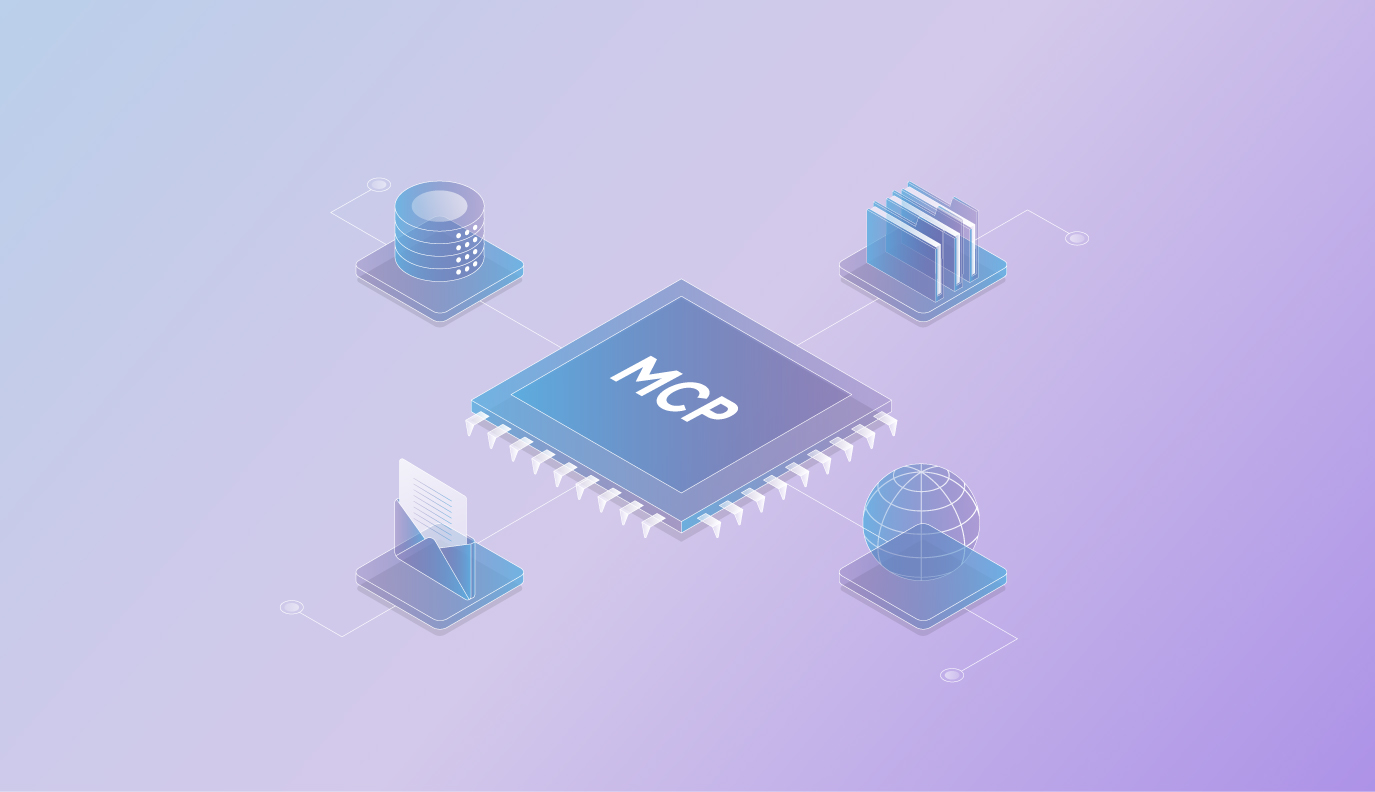
Most AI assistants can answer questions. What they can’t do is act on them. That gap exists because models have no standard way to reach the tools and systems that hold real data. MCP is the open protocol that’s starting to change that.